Pentonville Road gardeners local guide for front gardens
Front gardens on Pentonville Road have a funny kind of job to do. They need to look smart, work hard, and still feel welcoming, even when space is tight and the weather keeps changing its mind. If you are looking for a Pentonville Road gardeners local guide for front gardens, this article will help you make better decisions about layout, planting, maintenance, and the little details that make a front space feel finished rather than forgotten.
In practice, a good front garden is part kerb appeal, part everyday convenience. It should deal with shade, footfall, bins, bikes, damp patches, and the occasional "I'll do it at the weekend" delay. Let's face it, that weekend sometimes never comes. The aim here is to give you a clear, local-minded guide that helps you choose the right approach for your property, whether you want something low-maintenance, more private, or simply more attractive from the street.
Along the way, we will look at what local gardeners usually assess first, how front garden projects are typically planned, and which changes bring the biggest payoff without wasting money. For more general support, it can also help to browse gardening services and garden maintenance options when comparing what you want done now versus what can wait.
Table of Contents
- Why Pentonville Road gardeners local guide for front gardens Matters
- How Pentonville Road gardeners local guide for front gardens Works
- Key Benefits and Practical Advantages
- Who This Is For and When It Makes Sense
- Step-by-Step Guidance
- Expert Tips for Better Results
- Common Mistakes to Avoid
- Tools, Resources and Recommendations
- Law, Compliance, Standards, or Best Practice
- Options, Methods, or Comparison Table
- Case Study or Real-World Example
- Practical Checklist
- Conclusion
- Frequently Asked Questions
Why Pentonville Road gardeners local guide for front gardens Matters
Front gardens are different from back gardens. They are more visible, more exposed, and usually more awkward to manage. In a busy part of London, they often need to cope with narrow plots, pavement edges, shade from buildings, and a constant mix of practical and aesthetic demands. A front garden is the first thing people see, but it is also the bit you live with every time you open the door.
That is why a local guide matters. A gardener familiar with Pentonville Road conditions is likely to think about drainage, compact planting, boundary lines, and everyday access in a way that generic advice often misses. You do not want a scheme that looks lovely for two weeks and then turns into a slippery, weedy patch by November. You want something that holds up.
There is also the street-level reality. A front garden can improve the feeling of order around a property, help soften hard paving, and create a small green buffer between home and road noise. If done badly, though, it can become cluttered, needy, or exposed. Done well, it quietly improves the whole place. A good front garden is not loud. It simply works.
Expert summary: the best front gardens on Pentonville Road are usually not the most complicated ones. They are the ones that match the building, respect the available light, and are designed for realistic upkeep.
For homeowners who want a fresher frontage without committing to a full redesign, a small intervention can go a long way. Even a simple reset using better plant structure, cleaner edges, and a healthier soil plan can change how the property feels from the pavement.
How Pentonville Road gardeners local guide for front gardens Works
A practical front garden plan usually starts with assessment, not planting. A local gardener will look at the shape of the space, the amount of sun or shade, the condition of the soil, the surface level, and how people actually move through it. That sounds basic, but it saves a lot of money. Why put in thirsty plants where rain barely reaches? Why choose a layout that blocks the path to the door?
From there, the process normally moves through four stages:
- Clarify the purpose. Do you want a showpiece, a low-maintenance frontage, better privacy, more biodiversity, or all four? Be honest here.
- Assess the site. Look at light, wind, drainage, existing paving, boundary features, and anything causing recurring problems.
- Choose a structure. This could mean borders, containers, hedging, a small lawn area, gravel, or a mix.
- Set a maintenance rhythm. A front garden only stays tidy if somebody can realistically keep on top of it.
That rhythm matters more than people think. A border that looks "low effort" can still need seasonal pruning, weed control, and watering during dry spells. On the other hand, a well-designed space with good ground cover and tidy edging can save time every single week. If you want ideas in that direction, ground cover planting ideas are worth studying because they often solve more than one problem at once.
For urban front gardens, containers can also be a smart part of the plan. They let you test planting schemes, move things around, and add colour without committing to full-scale excavation. There is a useful approach to this in smart container strategies for urban gardens, especially where space is tight or the soil is poor.
Key Benefits and Practical Advantages
There are several reasons front garden work tends to deliver a strong return. Some are obvious, some less so.
- Better first impressions. A neat frontage makes the whole property feel more cared for.
- Less daily mess. Tidy edges and the right surfaces reduce mud, leaf build-up, and wind-blown debris.
- Improved planting reliability. Once the conditions are understood, you can choose plants that actually thrive there.
- Lower ongoing effort. The right structure reduces the number of jobs you need to repeat constantly.
- More usable space. Even a small front area can work hard if it is planned well.
There is also a quieter benefit: front garden improvements can make a home feel more settled. That is hard to measure, but very real. When you walk up to a tidy, balanced frontage, it changes the mood before you even get to the door. You notice the difference on wet Monday mornings, not just sunny afternoons.
For homeowners watching costs, thoughtful front garden changes can also be phased. You might begin with pruning, clearing, and a better layout, then add planting and decorative touches later. That is often a more sensible path than ripping everything out at once.
If keeping things affordable is important, the article on low-maintenance garden ideas on a budget is a useful companion piece. It aligns well with front-garden thinking because simplicity usually wins.
Who This Is For and When It Makes Sense
This guide is for anyone on or around Pentonville Road who wants a front garden that looks good and behaves itself. That includes first-time homeowners, landlords, busy families, and people who simply do not want to spend every weekend fighting weeds at the front step.
It makes particular sense if your front garden has one or more of these issues:
- it looks tired or overgrown
- the planting feels random rather than planned
- rain creates puddles or mud
- the border is full of weeds
- you want more privacy without making the frontage feel closed off
- you need a child-safe or pet-friendly design
- you want a better balance between hard landscaping and greenery
It is also useful if you are trying to improve a property before selling or letting. Front gardens do not need to be elaborate to be effective. In fact, in many cases, restraint works better. A couple of well-placed shrubs, a clear path, and a healthy ground layer can do more for kerb appeal than a crowded mix of plants and ornaments. Truth be told, too much going on can make a small space look smaller.
If pets are part of everyday life, the layout needs to be slightly tougher. Paths should be easy to clean, planting should tolerate some brushing and trampling, and anything toxic or fragile should be avoided. The guide on gardens where dogs love to roam offers useful ideas that translate well to front spaces too.
Step-by-Step Guidance
If you are starting from scratch, or if the current front garden has drifted into chaos a bit, the safest way forward is to work in stages.
1. Clear and observe
Before you buy anything, remove dead material, obvious weeds, and clutter. Then just look. Watch where the light falls in the morning and late afternoon. Notice where water collects after rain. Check whether the path is wide enough and whether the front door area feels cramped.
2. Decide what the space must do
Some front gardens need privacy. Others need easier maintenance. Some need a greener look without blocking light. Choose the top two priorities and build around them. Trying to solve every problem at once usually ends in compromise, and not the good kind.
3. Fix the structure first
This means paths, edges, boundaries, and any uneven or damaged surface. A tidy structure gives the planting a frame. If paving is cracked, slippery, or badly laid, it can undermine the whole space. A useful reference on this side of the job is garden paving and revival ideas, especially if you are weighing up whether to repair, refresh, or replace.
4. Choose planting by conditions, not wishful thinking
Pick plants that suit the light, soil, and exposure. Shade-tolerant plants belong in one kind of front garden; sun-lovers in another. If the site is windy, soft-leaved or top-heavy plants may struggle unless they are supported properly. For exposed plots, wind-damage protection strategies can help you think more realistically about resilience.
5. Add a maintenance plan
Set out what needs weekly, monthly, and seasonal attention. A front garden becomes much easier once the routine is explicit. Weeding, light pruning, sweeping, and deadheading all take less time when they are done regularly rather than in one huge, grumpy burst.
6. Review after the first season
Front gardens often need a small adjustment after living through weather changes. You may find one shrub is too dominant, a container dries too fast, or a hedge needs reshaping. That is normal. Gardens are not static; they teach you things after they have had a chance to settle.
Expert Tips for Better Results
Experienced gardeners often make the same quiet choices that separate an okay front garden from a really polished one.
- Keep the planting palette limited. Three to five repeated species often looks calmer and smarter than a mixed jumble.
- Repeat shapes and heights. Repetition creates order, which is especially helpful in small spaces.
- Use evergreen structure. A few evergreen elements keep the frontage looking alive in winter.
- Use ground cover where weeds keep returning. This can reduce exposed soil and cut maintenance.
- Leave breathing room. Crowding makes a front garden feel busy, and busy is not always attractive.
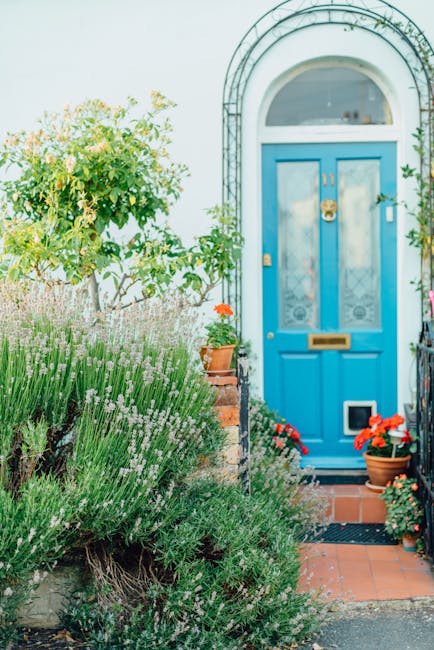
A practical example: if you have a narrow front plot, a pair of matching containers, a simple evergreen shrub, and a low ground layer may look better than six different plant types fighting for attention. It is a bit like a good outfit. Not too many statements. Just the right ones.
For people wanting extra privacy without building a fortress, hedging can be a good answer. The guide on fast-growing hedges for seclusion and the article on inventive hedge designs are useful if you want screening that still feels attractive from the street.
Another tip that gets overlooked: think about the view from inside the house, not just from the pavement. A front garden can be your daily outlook from the hallway, kitchen, or landing window. If you are looking at it every morning, it ought to be pleasant, not merely presentable.
Common Mistakes to Avoid
Most front garden problems start with enthusiasm and a lack of patience. That is normal. But there are a few mistakes worth avoiding if you want a better result.
- Choosing plants for the photo, not the site. A glossy plant that hates shade will always disappoint.
- Ignoring maintenance reality. If you do not want constant pruning, do not choose a hedge that behaves like a teenager with too much energy.
- Overloading a small space. Too many features make the frontage feel awkward and cluttered.
- Leaving bare soil exposed. Bare patches invite weeds and muddy splashback.
- Forgetting drainage. A front garden that stays soggy will always feel harder to manage.
- Using awkward decorative items. A few careful details are enough; the rest is usually visual noise.
We also see people leave overgrown ivy or climbing growth unchecked because it "does not look too bad yet." Then it does. Fast. If that is a live issue, the guide to an ivy-free environment gives a useful sense of what controlled removal and prevention should look like.
And if the whole frontage feels like it has lost shape, do not start by buying plants. Start by restoring the bones of the space first. The line between a charming front garden and a messy one is often just discipline. Slightly boring discipline, yes, but it works.
Tools, Resources and Recommendations
You do not need a shed full of specialist kit to improve a front garden, but the right tools make the work neater and faster.
- Hand trowel and hand fork: useful for planting, weeding, and loosening compacted soil.
- Bypass secateurs: better for clean pruning cuts on shrubs and smaller stems.
- Border spade: helpful for tidy edge work and re-shaping beds.
- Hoe or weed tool: makes regular weed control more manageable.
- Watering can or hose with gentle control: important for containers and new planting.
- Measuring tape and string line: surprisingly useful when you want the layout to look straight and balanced.
If you are unsure where to begin, the article on handpicked gardening tools is a practical starting point. It helps you think in terms of usefulness rather than collecting kit you barely touch.
Resources matter too. A proper maintenance plan, a clear quote, and a realistic seasonal schedule will often do more for your garden than another impulse purchase. If you are comparing professional support, looking at pricing and quotes can help you understand what is included and how work is usually scoped. For ongoing help, lawn care, lawn mowing, and hedge trimming in Pentonville are often relevant to front-garden upkeep.
For a greener and more sustainable front garden, composting or soil improvement can also help. There is a good practical angle in turning refuse into nutrient-rich soil, especially if your planting area feels tired or depleted.
Law, Compliance, Standards, or Best Practice
Front gardens sound simple, but there are a few practical standards worth respecting. The aim is not to make the project feel bureaucratic. It is just to avoid problems later.
First, boundaries and access matter. If there is a shared path, a wall, fence, or boundary edge, avoid making changes that reduce safe access or create trip hazards. If you are altering a front edge, keep the line neat and think about who needs to use the space on a daily basis.
Second, be careful with materials and workmanship. Well-laid paving, stable edging, and appropriately sized plants all reduce risk. Sloping or uneven surfaces can become slippery in wet weather, so a front garden design should be judged partly on safety, not just appearance. That is one reason professional support often makes sense for more involved work. You can read more on insurance and safety and the health and safety policy if you are considering outside help.
Third, if trees are involved, larger or more established specimens should be treated cautiously. Structural roots, shading, and pruning needs can affect the rest of the plot. In those cases, tree surgery may be the more suitable route than casual cutting.
Finally, if you are dealing with contractors, a clear written agreement is sensible. That means scope, expectations, payment method, and what happens if conditions change. The pages on terms and conditions, payment and security, and complaints procedure are useful trust signals when assessing how a service works.
Best practice is not about being fussy. It is about avoiding avoidable mess.
Options, Methods, or Comparison Table
When planning a front garden, the real question is usually not "What looks nice?" It is "What will still look nice in six months with the amount of time I actually have?" That is where comparing methods helps.
| Approach | Best for | Strengths | Trade-offs |
|---|---|---|---|
| Traditional border planting | Homes with decent soil and enough light | Soft, natural look; good seasonal interest | Needs regular weeding and pruning |
| Container-based frontage | Small or paved front spaces | Flexible, tidy, easy to refresh | More watering and feeding in dry periods |
| Low-maintenance planting with ground cover | Busy households and rental properties | Reduces bare soil and weekly upkeep | Can take time to establish |
| Hedge-led screening | Properties needing privacy or wind buffering | Strong structure, year-round presence | Requires trimming and a bit of patience |
| Mixed hard and soft landscaping | Frontages that need access and polish | Balanced, practical, visually neat | Usually costs more upfront |
If you are unsure which route to take, a mixed approach is often the safest. For example, combine a defined path with a slim planting border and a couple of containers. That way you get structure, colour, and flexibility without overcommitting. A little boring? Maybe. But also sensible. And sensible wins more often than people think.
Case Study or Real-World Example
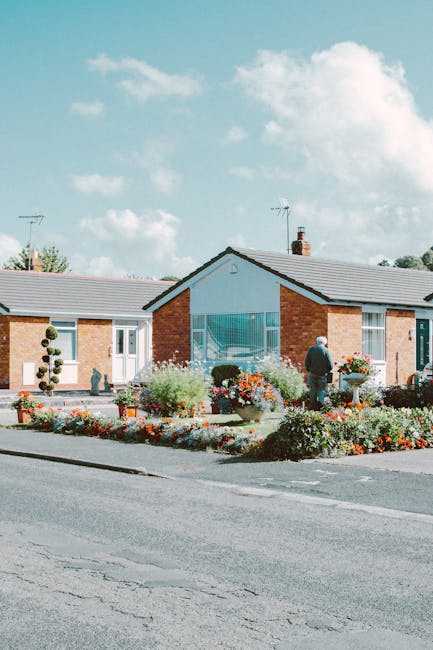
Here is a realistic front garden scenario we see a lot. A terraced property near Pentonville Road has a small frontage with patchy soil, a narrow path to the door, and a couple of tired shrubs that have outgrown their space. The area looks a bit apologetic, if we are honest. Not broken, just weary.
The first step is to clear away the dead growth and define the usable shape of the space. Then the path edge is cleaned up, the bed is reduced to a manageable size, and the planting is simplified. Instead of six mixed shrubs, the design uses two evergreen anchors, a seasonal container by the door, and a low ground cover to reduce open soil. A small mulch layer is added to help moisture retention and keep weeds from returning so quickly.
The result is not dramatic in a flashy way. It is calm. It looks maintained. It feels intentional. And that is often the real goal for a front garden. The property suddenly has a proper face again. You notice it at dusk, when the doorway looks framed rather than lost in the shadows.
If that sort of transformation appeals to you, it may also be worth exploring broader landscaping support, especially if the frontage needs structural changes rather than just tidying.
Practical Checklist
Use this checklist before starting any front garden project. It keeps the job grounded.
- Identify the main purpose of the front garden.
- Check sun, shade, wind, and drainage.
- Measure the space properly.
- Decide what will stay and what will go.
- Inspect paving, edges, and boundary features.
- Choose plants that suit the site, not just the style.
- Limit the number of plant types for a cleaner look.
- Plan for maintenance across the seasons.
- Leave access to the door clear and safe.
- Consider pets, children, and everyday foot traffic.
- Think about lighting and the view from indoors.
- Get a quote if the job needs specialist work.
A quick note: if the front garden is repeatedly overwhelmed by weeds, or the paving is looking worse for wear, it may be more efficient to bring in help than to keep patching things up. Sometimes the best fix is the one you stop postponing.
Get a free quote today and see how much you can save.
Conclusion
A well-planned front garden on Pentonville Road does more than improve appearance. It makes daily life easier, supports a more welcoming home, and gives you a space that feels under control rather than constantly nagging at you. The best results usually come from clear priorities, honest assessment, and a design that fits the way you actually live.
If you remember only one thing, let it be this: front gardens are won by structure first and decoration second. Get the bones right, choose plants that behave, and keep the maintenance realistic. That is how you end up with a frontage that still looks good after a wet spell, a busy month, or one of those weeks when nothing quite gets done. And when it works, it really works.
For more background on the team and approach, you can also visit about us. If you are ready to talk through your own frontage, the next step is simple and surprisingly reassuring.
Frequently Asked Questions
What makes a front garden suitable for Pentonville Road properties?
A suitable front garden usually balances limited space, visible kerb appeal, and realistic maintenance. On Pentonville Road, that often means compact planting, tidy edging, and a layout that works in shade, wind, or partial sun.
Should a front garden be low maintenance or decorative?
It does not have to be one or the other. The best front gardens are usually both to some degree. A simple planting structure with a few seasonal highlights is often easier to maintain than a highly decorative scheme that needs constant attention.
How do I make a small front garden look bigger?
Use repetition, keep the palette simple, avoid clutter, and leave open visual space. Matching containers, slim borders, and clean lines can make a small frontage feel more generous than overfilled beds.
What are the best plants for a shady front garden?
Shade-tolerant plants are usually the best choice, along with evergreen structure and ground cover to reduce bare patches. The exact selection depends on soil and exposure, so it is worth matching plants to the site rather than guessing.
How often should a front garden be maintained?
Most front gardens benefit from light weekly or fortnightly attention, with seasonal pruning and a more thorough tidy-up several times a year. The more structured the design, the less time it usually takes to stay presentable.
Can a front garden improve property value?
It can improve perceived value by making the home look cared for and well kept. That said, the effect depends on the quality of the design and the condition of the rest of the frontage, so it is best thought of as an improvement rather than a guarantee.
Is paving better than planting for a front garden?
Not necessarily. Paving gives access and can reduce mess, but planting softens the look and adds seasonal interest. A mixed approach is often the most practical, especially in urban front gardens.
What should I do if weeds keep coming back?
Focus on the cause, not just the symptom. Weeds return quickly when soil is bare, edges are weak, or maintenance is irregular. Ground cover, mulch, regular weeding, and better bed structure all help.
Do I need professional help for a front garden makeover?
Not always. Simple tidying and planting can be a DIY job. But if you need paving repairs, hedge work, drainage improvements, or a full redesign, professional help can save time and prevent expensive mistakes.
How do I choose between containers and borders?
Choose containers if flexibility, small space, or poor soil are concerns. Choose borders if you want a fuller, more permanent planting scheme. Many front gardens work best with both, because each solves different problems.
What makes a front garden feel more secure without looking closed off?
Low hedging, layered planting, and clear sightlines can improve the sense of security without making the frontage feel boxed in. A good design keeps the space open enough to feel welcoming while still giving a sense of boundary.
Where should I start if my front garden is a complete mess?
Start with clearing, then assess structure, then choose the smallest set of changes that will make the biggest difference. It is usually wiser to fix access, weeds, and shape first. Once the space is readable again, planting decisions become much easier.